Our first January in this house, the gas bill was $287, and I called the gas company because I was sure they'd made a mistake. They had not. The house is a 1970s ranch with its original windows, a back door you could slide a pencil under, and an attic hatch that was basically a lid on a chimney. Heat was leaving about as fast as the furnace could make it.
We've chipped away at it every fall since. Last January's bill was $196, in a winter that felt just as cold. Some of the difference is gas prices going up and down, so I don't take credit for all of it. But a lot of it came from cheap fixes that take a weekend. It's the first weekend of November, so this is the week we do ours.
The $63 weekend
| Fix | Cost |
|---|---|
| Window insulation film kit (covers five windows) | $18 |
| Foam weatherstripping and a door sweep for the back door | $14 |
| Foam gaskets for outlets and switches on outside walls | $4 |
| Foam board and weatherstripping for the attic hatch | $22 |
| One tube of caulk | $5 |
| Draft stopper sewn from old jeans and dry rice | $0 |
| Total | $63 |
Window film
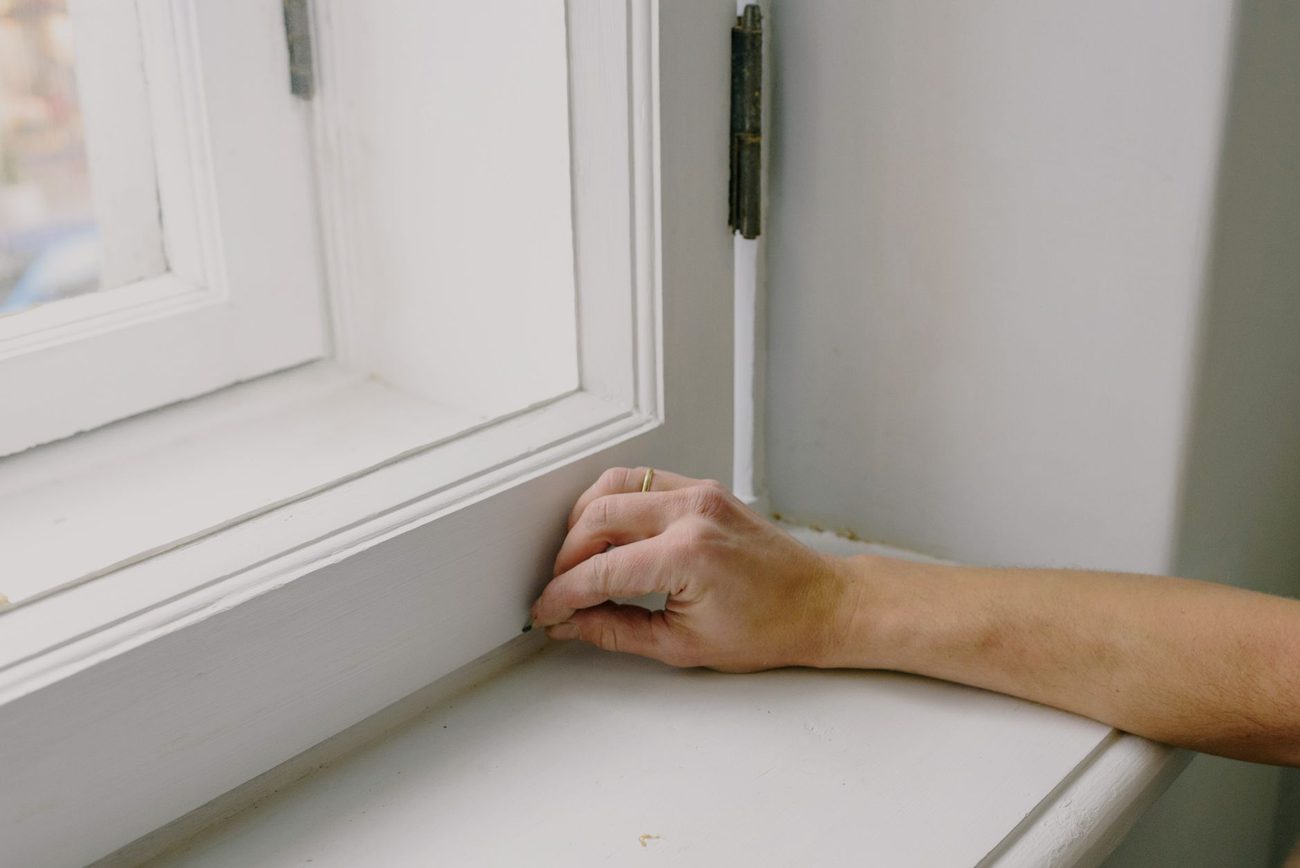
This is the clear plastic you tape around the inside of the window frame and then shrink tight with a hair dryer. It isn't pretty up close, but from across the room you can't tell it's there. We only do the five worst windows: the kids' rooms and the big front window. The first year, I put it up on a humid day and the tape peeled off by Christmas. Clean the frame with rubbing alcohol first and do it on a dry day.
Doors and the attic hatch
Mike, who fixes machines at the packaging plant for a living and is handy with most things around the house, did the back door. New foam weatherstripping went around the frame, and a sweep went on the bottom. Then he glued two layers of foam board to the top of the attic hatch and put weatherstripping around the edge where it sits. Before that, on a windy night you could feel cold air falling out of the ceiling in the hallway.
The little stuff
Those foam gaskets go behind the cover plates of outlets and light switches on outside walls. It sounds silly until you hold your hand in front of one on a windy day and feel the draft. The caulk went around the outside of a window where the old caulk had cracked away. The rice-filled jeans draft stopper lives at the bottom of the front door, and Rosie considers it a pet.
Habits that cost nothing
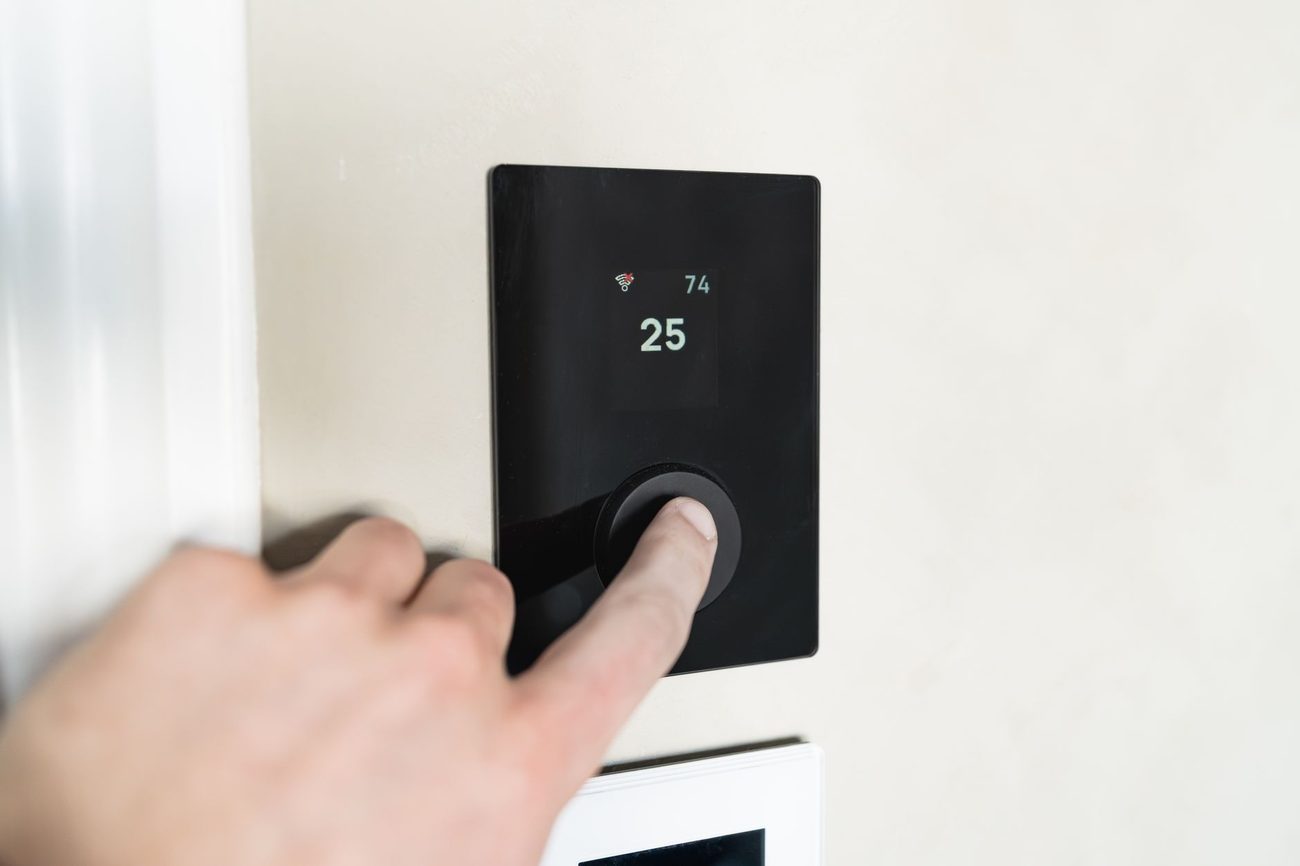
- Thermostat. We keep it at 67 when we're home and awake, and 62 overnight, on a programmable schedule. The kids have fleece pajamas and extra blankets. The Department of Energy says turning it back 7 to 10 degrees for eight hours a day can save up to about 10% a year on heating, and that matches roughly what we saw.
- Furnace filter. We check ours every month in winter and swap it when it looks gray. Mike was surprised the first time by how fast it clogs with three kids and a lot of carpet.
- Ceiling fans. Most have a little switch on the housing. In winter, set it so the blades turn clockwise on low to push warm air down from the ceiling.
- Curtains. Open on sunny south-facing windows during the day, closed at dusk.
- Fireplace damper. If you have a fireplace you're not using, keep the damper shut. Ours had been open for who knows how long.
- Water heater. Ours was set higher than it needed to be. Around 120 degrees is what the energy guides generally recommend for most homes.
We also pay to have the furnace checked every fall by a licensed technician. It's not the cheap part of this list, but the carbon monoxide side of a gas furnace isn't something I want us guessing about. We also test our CO detectors when the clocks change.
Pipes, and the boring insurance part
Before the first hard freeze, Mike disconnects the garden hoses and shuts the indoor valve that feeds the outdoor spigot, then opens the spigot to drain it. On the coldest nights we open the kitchen sink cabinet so warm air gets to the pipes on that outside wall.
A friend of ours had a pipe burst a couple of winters ago, and it turned out her policy treated some of the damage differently than she expected. That made me go read our own homeowners policy about water damage and frozen pipes. I'm not an insurance person and every policy is different, but it's worth reading the section on yours before winter rather than after something happens.
One more thing some people don't know: many gas utilities offer budget billing, which spreads your yearly cost into equal monthly payments. It doesn't lower the total, but it takes the sting out of January. We switched a few years ago, and I wish I'd asked sooner.
This Saturday is film and weatherstripping day. The hair dryer is already sitting on the kitchen counter, and Owen has asked if he can be the one to shrink the plastic. We'll see.