In October of 2023, the minivan needed four new tires. The guy at the shop was very nice about it. The bill was $640, and I put it on a credit card in the parking lot while Rosie screamed in her car seat, and then I sat there for a minute and cried a little.
Here's what bugged me later: tires are not a surprise. Tires wear out. So do the brakes, and Christmas comes every year on the same date, and all three of my kids have birthdays that have never once moved. But somehow every month it felt like something "came up." We weren't broke. We just kept getting ambushed by things we could have seen from a mile away.
The fix turned out to be the least exciting thing I've ever done with money: sinking funds.
What a sinking fund actually is
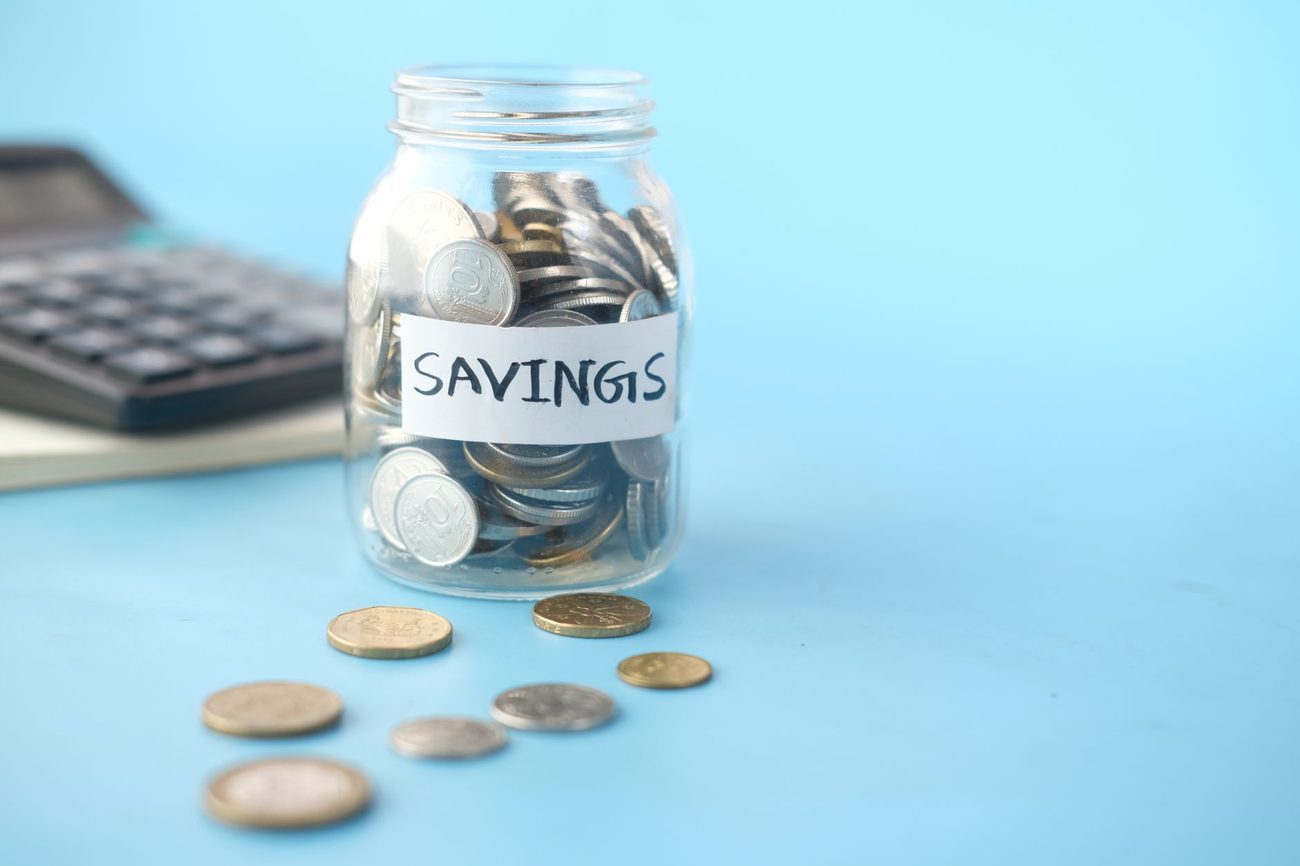
It's just money you set aside a little at a time for a specific future expense you know is coming. If the kids' fall sports fees are around $240 a year, you save $20 a month. When the bill comes, the money is sitting there. That's it. There's no trick.
It's different from an emergency fund. Our emergency fund is for the truly unexpected, like Mike getting hurt or the furnace dying in January. Sinking funds are for the expected but irregular stuff that used to wreck our budget.
Our funds and what goes into each
We've tweaked these over two and a half years. This is what we put in every month now:
| Fund | Monthly |
|---|---|
| Car repairs and tires (two vehicles) | $75 |
| Home repairs | $75 |
| Christmas | $60 |
| Medical and dental copays | $50 |
| Vacation | $50 |
| Kids' activities and school fees | $40 |
| Clothing and shoes | $40 |
| Birthdays and gifts | $35 |
| Car registration and licenses | $12 |
| Annual memberships | $8 |
| Total | $445 |
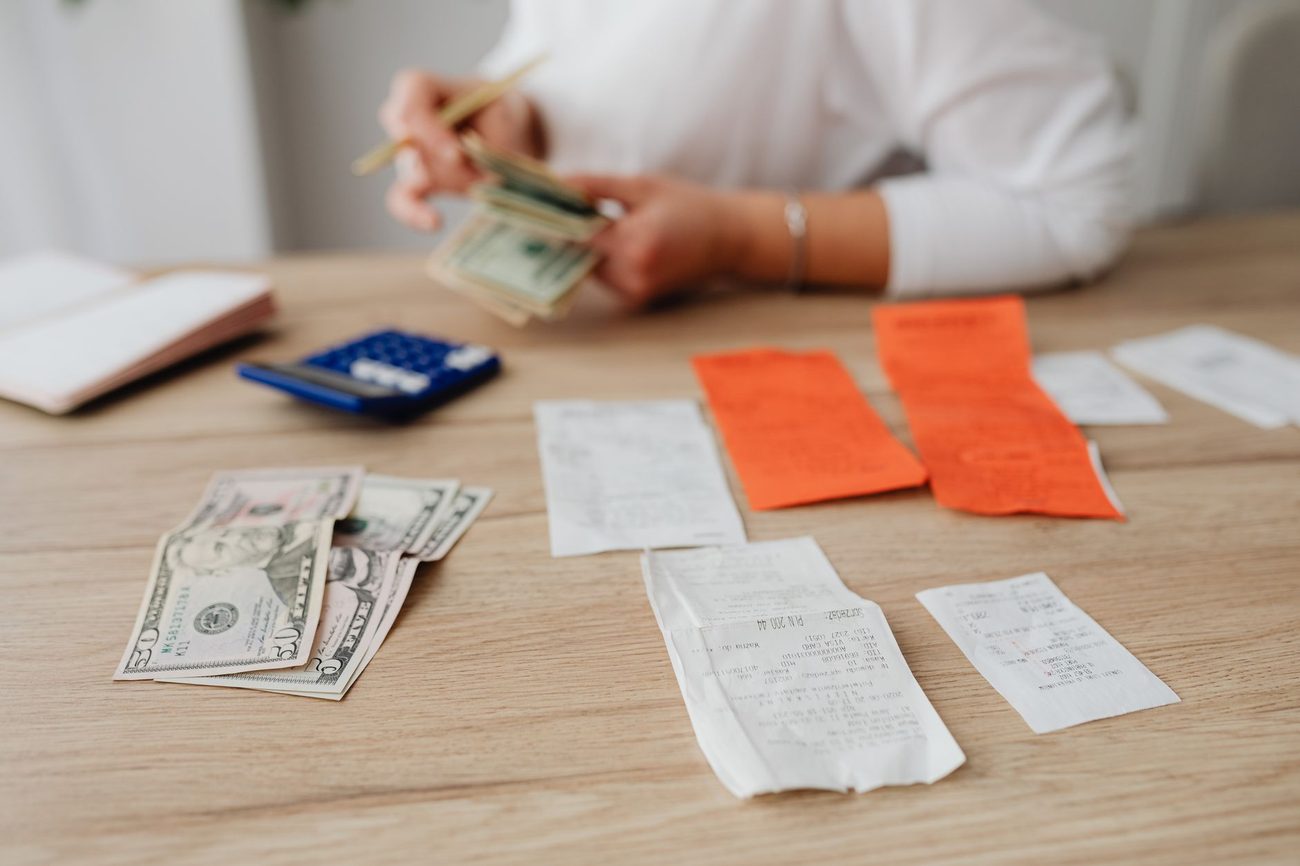
To figure out the amounts, I went through a full year of bank statements and highlighted everything that wasn't a normal monthly bill. Then I added up each category and divided by twelve. It took two evenings and a pot of coffee, and it was the most useful two evenings I've spent on our budget.
How we keep track without ten bank accounts
I thought about opening a separate savings account for every fund. Some banks let you create sub-accounts, and I know people who love that. For us it felt like too many logins. Instead:
- All the sinking fund money goes into one savings account, automatically, the day after Mike gets paid.
- I keep a simple spreadsheet with a column for each fund. Every month I add the deposits. When we spend from a fund, I subtract it.
- Once a month I check that the spreadsheet total matches the actual account balance. If it doesn't, I find out why before I do anything else.
It takes about fifteen minutes a month. It is not fun. That's why I call it boring. But boring is exactly what I wanted after years of the other kind of excitement.
What went wrong along the way
We didn't start at $445. The first year we could only manage about $150 a month total, so I funded Christmas and car repairs first, since those had hurt the most. We added the others as we freed up money elsewhere.
We've also "borrowed" between funds. Last fall Owen needed two fillings, and the medical fund was low because Ella's glasses had just come out of it. I moved money from the vacation fund, wrote it down, and we paid it back over three months. My rule now is that borrowing is fine, as long as it's written down and paid back on purpose.
And I underestimated home repairs badly at first. A 1970s house always has an opinion. We started at $30 and had to more than double it.
What changed
This past December was the first Christmas in years where I didn't feel sick looking at the credit card statement in January. When the dishwasher pump went out in February, I opened the spreadsheet, saw $610 in home repairs, and just... paid for it. Mike asked whether we needed to talk about it. We didn't.
If you're starting from zero, pick the one irregular expense that hurts you most and fund just that one. Twenty dollars a month is fine. Watching that little balance grow is what got me hooked, and it's what made the rest possible.