For the first few years of our marriage, Mike and I talked about money in exactly two situations: when something broke, and when one of us was already upset. Neither is a great time to make decisions. It took a surprise $900 transmission repair and a very quiet car ride home in 2022 before we tried something different.
Now, on the last Sunday night of each month, after the kids are asleep, we have what I call the money date. Mike calls it "the meeting," which I've stopped correcting. It takes about thirty minutes. We've done it almost every month for four years, and it's the single habit that made living on one income feel manageable instead of scary.
The setup
Nothing fancy. Decaf coffee for him, tea for me, and sometimes a small bowl of the good chocolate chips I hide from the kids. We sit at the kitchen table with one spiral notebook that lives in the drawer by the stove, plus my laptop with our spending spreadsheet open.
The rules are simple, and we agreed on them the first night:
- No phones except the calculator.
- No bringing up a purchase from three months ago to win a point.
- Thirty minutes, then we stop, even if we're mid-topic. It goes on next month's list.
- End on something we're looking forward to.
The time limit matters more than anything. When these talks had no end, they turned into two-hour marathons that left us both drained. Knowing it stops at thirty minutes makes it easier to show up.
Our four-part agenda
1. Look back (about 10 minutes)
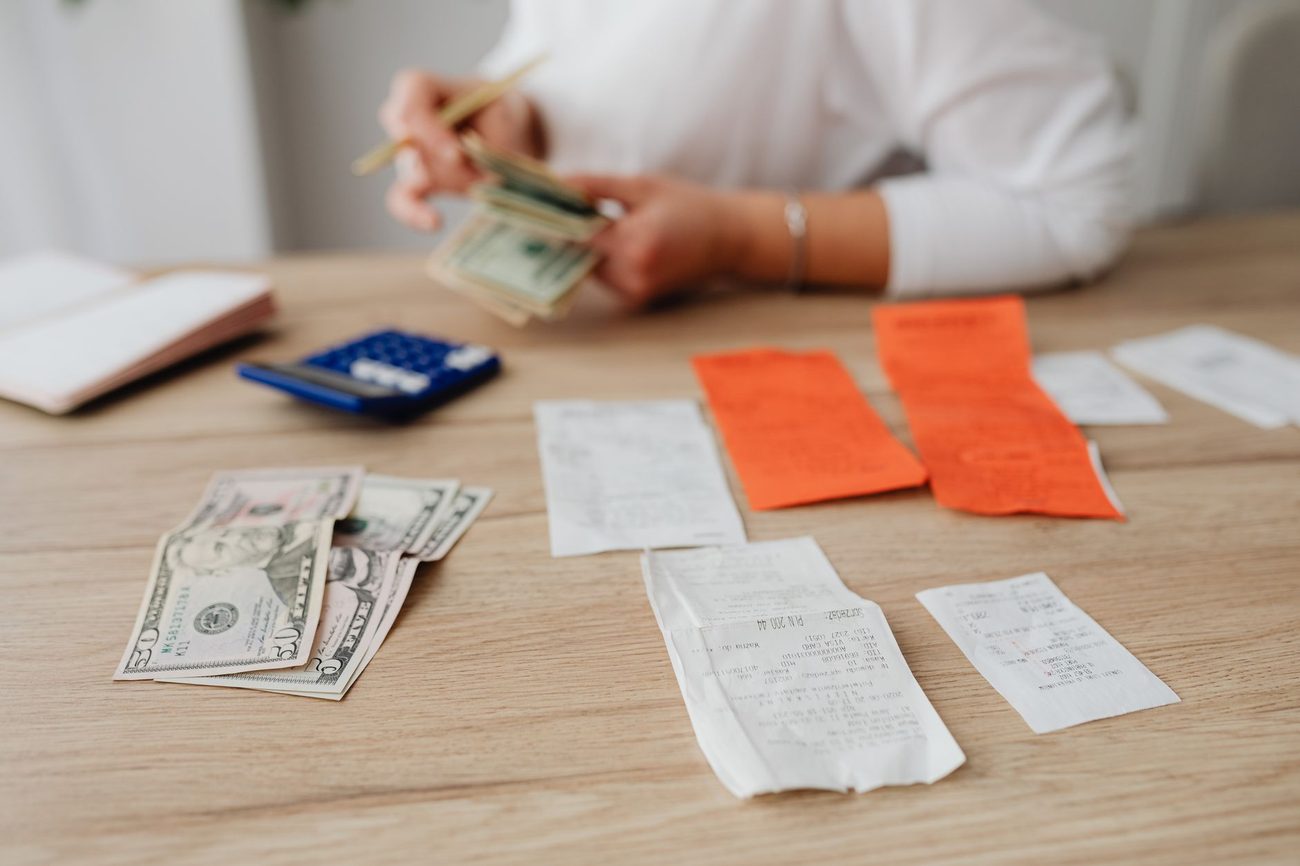
I pull up what we actually spent this month compared to what we planned. On Mike's roughly $74,000 a year, take-home is a little under $4,900 a month for us, so there isn't a lot of slack. We go line by line on the big ones: groceries, gas, utilities, kids, and the dreaded "misc."
Last month, for example, groceries came in at $1,290, right in our usual range. Gas was higher because of two drives to his parents' place for his mom's birthday and Memorial Day. Misc was $212, and about half of that was end-of-school gifts and a field trip. No drama, just noticing.
2. Look ahead (about 10 minutes)
We flip to the calendar for next month and write down anything that costs money. For July that list includes the Fourth of July cookout (we're hosting, so meat and buns), Ella's swim lessons, a friend's wedding gift, and the minivan's oil change. Seeing it all in one place keeps July from ambushing us.
This is also when we check whether anything big is coming in the next few months. School shoes in August. Mike's work boots, which he wears out about once a year. The van registration. If we know about it now, we can set aside a little each month.
3. One decision (about 5 minutes)
We pick one money question to decide, and only one. Past examples: should we keep the streaming service we barely watch (no), do we put the tax refund toward the emergency fund or the car fund (split it), is it time to replace the washer or repair it again (repair, once more).
Limiting it to a single decision keeps the evening from feeling like a board meeting. The rest waits.
4. Something good (about 5 minutes)
We end by talking about something the money is for. A camping trip at the state park in August. Saving up to redo Rosie's room. Eventually paying off the van. It sounds a little corny written down, but it changes how the whole half hour feels. The budget stops being a list of no's.
What we got wrong at first
At the beginning I did all the prep and basically presented a report to Mike. He'd nod and say "looks good," and I'd feel like I was carrying the whole thing alone. It wasn't fair to either of us. Now he's in charge of the look-ahead section, since he knows his work schedule and the truck better than I do, and he's much more engaged.
We also tried doing it on Friday nights at first. Terrible idea. He's wiped out after a week of twelve-hour shifts keeping the packaging lines running at the plant, and I'm done with the kids. Sunday night, when the week hasn't started yet, is when we're both clearest.
And some months we skipped it because things felt fine. Those were always the months something slipped: a forgotten subscription renewal, a bill paid late. We don't skip anymore, even if it's a twelve-minute version.
If you want to try it
You don't need a spreadsheet to start. A notebook and your last bank statement is enough. Pick a night, set a timer, and cover what came in, what went out, and what's coming up. Keep it short enough that neither of you dreads the next one.
Our next one is Sunday. July is going to be a hot dog-heavy month, and I already know we'll be talking about the cookout budget. At least we'll be talking about it before we're standing in the checkout line.